RAVMAC is proud to have played a key role in supporting the launch of the UK’s first fully accredited Battery Manufacturing Skills Pathway (B-MSP). Formerly known as the DEBUT-WM project.
This pioneering programme has been created in direct response to the rapidly growing demand for skilled talent across battery manufacturing and electrification. As the UK accelerates towards Net Zero, initiatives like B-MSP are critical to building a workforce capable of supporting large-scale battery production, gigafactory operations, and advanced manufacturing.

L-R: Pritti Shoker (University College Birmingham B-MSP Project Manager), Mark McNally (MD and Owner of RAVMAC), Rosa Wells (University College Birmingham Dean for STEM and FE Principal), Rt. Hon Lord Hunt of Kings Heath OBE (Minister of State for Energy Security and Net Zero), Neil Davies (University College Birmingham Head of Engineering) and Michael Harkin (University College Birmingham Vice-Chancellor and Principal).
A Structured, Industry-Led Skills Pathway
The B-MSP is a City & Guilds-accredited programme, designed to provide a flexible and scalable training solution for both SMEs and large-scale manufacturers.
Combining hands-on practical training with immersive digital learning, including AR/VR simulations and real-world production environments, ensuring learners gain both technical knowledge and applied experience.
Crucially, the training is designed to produce job-ready talent, enabling individuals to contribute effectively from day one while helping employers significantly reduce onboarding time.
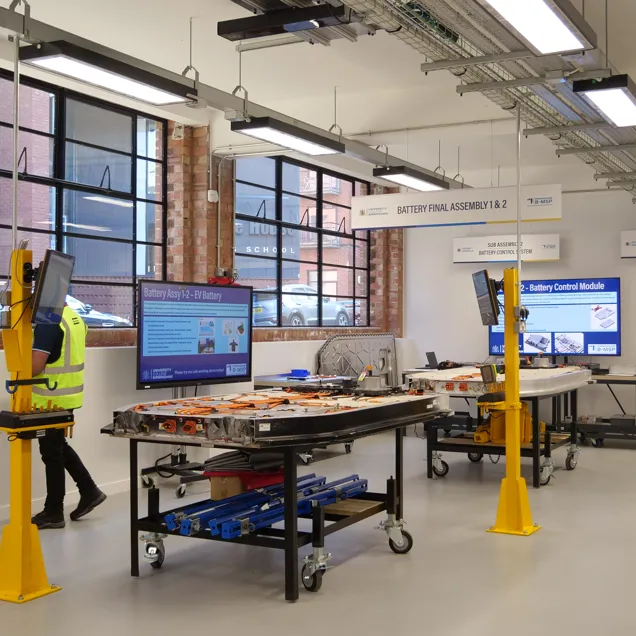
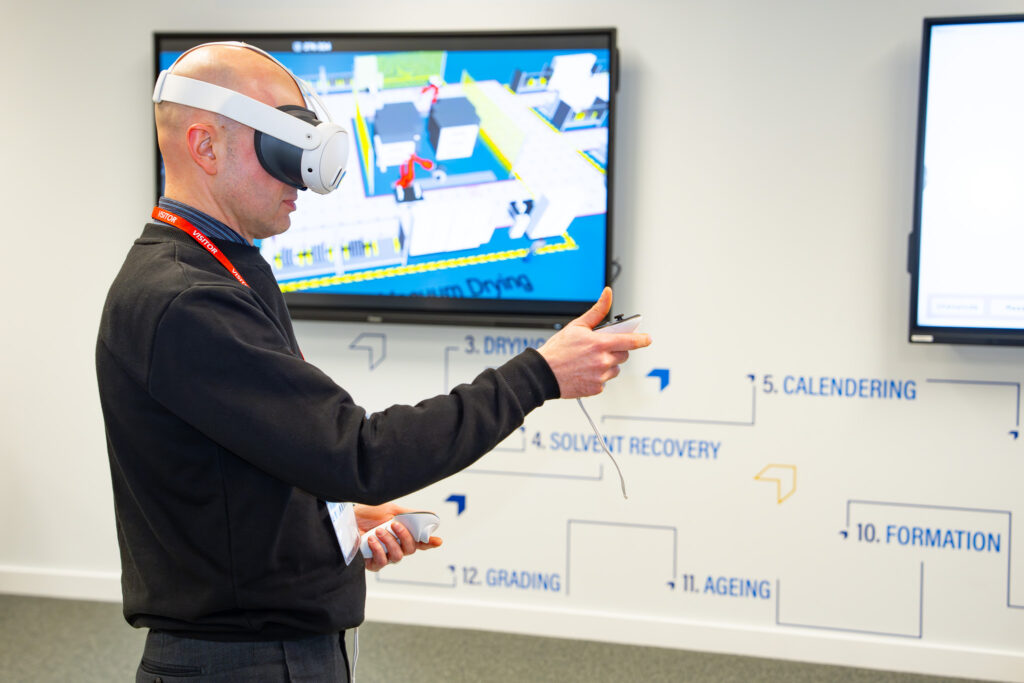
Built with Industry, for Industry
B-MSP has been developed in collaboration with leading organisations including Jaguar Land Rover, Microsoft, Rockwell Automation, Atlas Copco, and others—ensuring that the curriculum reflects real production challenges and evolving industry needs.
RAVMAC’s involvement reflects our commitment to bridging the gap between industrial requirements and emerging technologies. By contributing our expertise in advanced manufacturing and production environments, we are helping to ensure that training aligns with real-world application and delivers measurable impact for industry.
Through collaboration with education providers, research institutions, and manufacturers, RAVMAC continues to support the development of a future-ready workforce—capable of driving innovation across battery production and electrification.